Stamped Concrete vs. Pavers for Commercial Properties: Pros and Cons
People seeking commercial stamped concrete installation are often comparing it to pavers, and local contractors can help determine the best option for their property.
Choosing the right surface for commercial properties involves weighing the advantages and disadvantages of options like stamped concrete and pavers. Property owners in the area often explore this topic to ensure their outdoor spaces are durable, visually appealing, and cost-effective over time. Understanding the practical differences between these materials can help decision-makers make informed choices that align with their property's needs, whether it’s for parking lots, walkways, or plazas. Local contractors specializing in stamped concrete installation can provide insights into how this versatile material compares to pavers, especially when considering factors like installation complexity, maintenance requirements, and design flexibility.
As the discussion around stamped concrete versus pavers for commercial properties unfolds, it’s clear that each option offers unique benefits suited to different priorities. Property owners who want a seamless, low-maintenance surface might lean toward stamped concrete, while those seeking a more customizable or easily repairable solution may prefer pavers. Local service providers who focus on stamped concrete installation can help evaluate these practical considerations, ensuring that the chosen surface enhances both the functionality and appearance of the property. Keep reading to explore the pros and cons of each, and discover how local experts can support the best choice for your commercial space.
- Commercial stamped concrete installation - ideal for property owners seeking durable, decorative surfaces that mimic high-end materials and are handled efficiently by local contractors.
- Stamped concrete vs. pavers for commercial properties: pros and cons - local service providers can advise on the best option based on traffic levels, aesthetic goals, and maintenance needs.
- Concrete stamping services for commercial projects - suitable when a seamless, low-maintenance surface is desired, with local pros ensuring proper installation for longevity.
- Choosing stamped concrete for commercial properties - often preferred for large-scale areas where consistent appearance and quick installation are priorities, with local contractors managing the process.
- Commercial stamped concrete vs. pavers - local pros can evaluate site conditions and traffic demands to recommend the most practical and visually appealing solution.
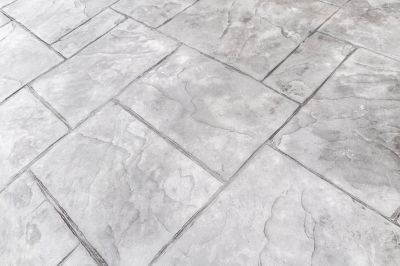
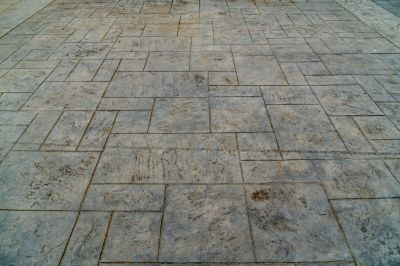
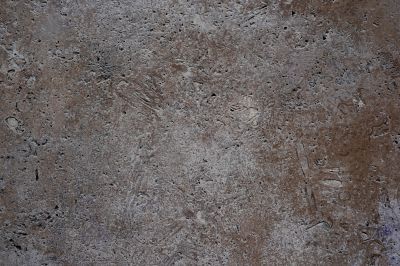
When searching for information about stamped concrete vs. pavers for commercial properties, most people are exploring options for durable, visually appealing surfaces that can handle high traffic and heavy use. This topic often relates to projects involving parking lots, walkways, outdoor patios, or plazas that need to balance aesthetics with functionality. Property owners and managers are typically considering how each material performs over time, how much maintenance might be involved, and which option aligns best with their overall design goals and budget constraints. Local contractors who specialize in commercial stamped concrete installation or paver installation can provide insights into how these materials will hold up in real-world conditions, helping decision-makers choose the best solution for their specific needs.
The kinds of problems or plans associated with stamped concrete vs. pavers for commercial properties often revolve around long-term durability, ease of maintenance, and visual customization. For example, a property owner might want a surface that resists cracking and can withstand frequent vehicle traffic, which makes durability a key concern. Others may prioritize a unique, decorative look that sets their property apart, which is where stamped concrete’s ability to mimic stone or brick patterns can be appealing. Conversely, pavers are often chosen for their ease of repair-individual units can be replaced if damaged-making them a practical choice for properties that anticipate potential repairs or modifications. Local service providers can help evaluate these factors and recommend the best approach based on the property's usage and aesthetic goals.
Properties that typically come up in discussions about stamped concrete vs. pavers for commercial spaces include parking lots, retail centers, office complexes, and institutional facilities like schools or government buildings. These properties often require surfaces that combine durability with visual appeal to create a professional and welcoming environment. Commercial properties with high foot or vehicle traffic need materials that can resist wear over time, while those seeking a distinctive appearance may lean toward stamped concrete for its versatility and design options. Local contractors experienced in commercial applications understand the specific demands of these property types and can advise on which material will perform best in terms of longevity and visual impact, ensuring the project meets both functional and aesthetic expectations.
Understanding how stamped concrete and pavers relate to real projects helps property owners see the practical implications of each choice. For example, a business owner planning to upgrade their parking lot might consider stamped concrete for its seamless surface that can be stamped with patterns or logos, creating a cohesive look. Alternatively, a property manager might prefer pavers because they allow for easier repairs and potential future changes in layout. Local commercial stamped concrete installation professionals can assist in evaluating site conditions, traffic loads, and design preferences, ensuring the selected material aligns with the property's operational needs. This guidance helps property owners make informed decisions that balance appearance, durability, and maintenance considerations for their specific project.
Concrete finishing services - professionals skilled in decorative concrete techniques are essential for installing stamped concrete features that mimic natural stone or brick, relevant to discussions on stamped concrete vs. pavers for commercial properties.
Paving installation services - local contractors specializing in paver projects have expertise in layout, patterning, and durable surface creation, aligning with paver options in commercial outdoor spaces.
Landscape design and hardscaping - experts in planning and constructing outdoor environments often incorporate stamped concrete or pavers to enhance aesthetics and functionality for commercial properties.
Surface prep and grading services - foundational work performed by local pros ensures proper installation of both stamped concrete and pavers, affecting longevity and appearance.
Sealing and finishing services - specialized contractors provide sealing for stamped concrete or pavers to improve durability and appearance, relevant to maintenance considerations in the topic.
Concrete repair and restoration - professionals skilled in fixing existing concrete surfaces can assist with issues related to stamped concrete or paver installations on commercial sites.
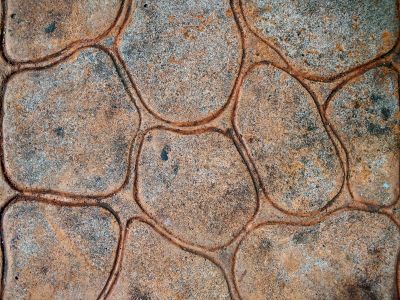
When evaluating service providers for stamped concrete vs. pavers for commercial properties, it is essential to consider their experience with similar projects. A reputable contractor should have a proven track record handling commercial installations, demonstrating familiarity with the specific requirements and challenges of large-scale or high-traffic surfaces. Asking for examples of past work or references related to projects of comparable size and scope can provide insight into their expertise and ability to deliver quality results. Clear, written expectations regarding the scope of work, materials used, and project timelines help ensure that both parties are aligned and minimize misunderstandings during the process.
Reputable local contractors should be transparent about their references and communication practices. Good communication is key to a successful project, especially when dealing with commercial properties that may have unique operational needs or aesthetic standards. Service providers who readily share references from previous clients and are responsive to questions demonstrate professionalism and reliability. It is also important to establish a clear understanding of the project’s specifics in writing, including materials, design details, and responsibilities, to facilitate a smooth workflow and address any concerns early in the process.
Considering stamped concrete vs. pavers for commercial properties involves weighing the pros and cons of each option, but the quality of the installation is equally critical. Local pros with a history of completing similar projects can provide valuable guidance on which material best suits the property’s durability, maintenance, and aesthetic goals. Good communication and a transparent approach help ensure that expectations are realistic and that the chosen material will meet the long-term needs of the property. By focusing on contractors with proven experience, clear expectations, and reputable references, property owners can make more informed decisions and select service providers capable of delivering durable, visually appealing results.
Property owners often search for stamped concrete vs. pavers for commercial properties: pros and cons when they are planning practical projects around their homes and businesses. Local pros provide Commercial Stamped Concrete Installation services for everyday jobs and straightforward project options.
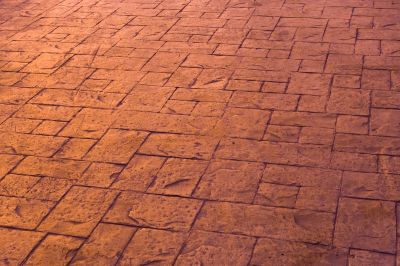
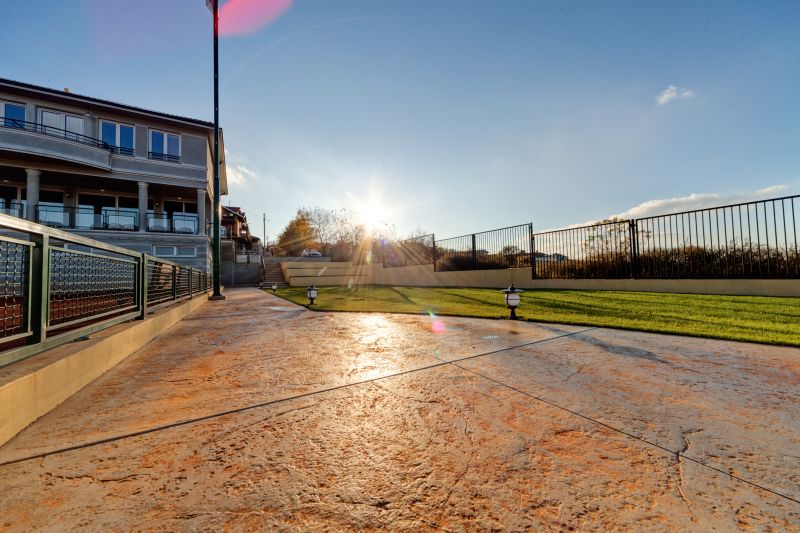
When property owners in the area explore options for enhancing outdoor spaces, they often compare stamped concrete versus pavers for commercial properties. Stamped concrete is popular for its ability to mimic more expensive materials like stone or brick, offering a seamless look that can be customized with various patterns and colors. It tends to be a straightforward installation choice for many business owners seeking a durable surface that requires minimal maintenance over time. On the other hand, pavers are valued for their flexibility and ease of repair, since individual units can be replaced if damaged, making them a practical choice for high-traffic areas or spaces prone to shifting.
Considering the pros and cons of stamped concrete versus pavers can help property owners decide which option aligns best with their needs. Local contractors who specialize in commercial stamped concrete installation can provide insights into how each material performs in everyday situations, such as heavy foot traffic or exposure to the elements. They can also advise on factors like installation complexity, long-term durability, and aesthetic appeal, helping property owners make informed choices for their outdoor spaces. Whether prioritizing seamless design or ease of repair, working with experienced local service providers ensures the installation meets the specific demands of commercial properties.
What are the main aesthetic differences between stamped concrete and pavers for commercial properties? Stamped concrete offers a seamless, customizable surface that can mimic various textures and patterns, while pavers provide a more traditional, textured look with individual units that can be arranged in diverse patterns. Local contractors can help determine which option aligns best with the desired visual appeal of a property.
How does durability compare between stamped concrete and pavers in high-traffic commercial areas? Pavers are generally more resistant to cracking and can be easily replaced if damaged, making them suitable for heavy use. Stamped concrete, however, can develop cracks over time but can be reinforced during installation by experienced local service providers to enhance longevity.
What are the maintenance considerations for stamped concrete versus pavers? Pavers typically require periodic repositioning and joint sand replenishment, while stamped concrete may need sealing to prevent staining and surface wear. Local contractors can advise on maintenance practices specific to each material based on usage and climate.
Are there differences in installation complexity between stamped concrete and pavers for commercial projects? Pavers generally require more extensive preparation and precise placement, but their installation can be more forgiving if repairs are needed. Stamped concrete installation involves forming and pouring a continuous slab, which may require skilled craftsmanship from local pros to ensure quality results.
Which option offers more flexibility for future modifications or expansions? Pavers allow easier removal and reconfiguration, making them suitable for future changes. Stamped concrete, being a solid slab, is less adaptable but can be resurfaced or modified with overlays by experienced local contractors if needed.
Assessing durability needs - Property owners can evaluate whether stamped concrete or pavers will withstand foot and vehicle traffic in their commercial space, guiding decisions for installation with local contractors.
Considering aesthetic goals - Choosing between stamped concrete and pavers can be based on the desired visual appeal, with local service providers offering options to match branding or design themes.
Planning for maintenance - Property managers might consider how easy it is to maintain each surface type, with local pros providing practical advice on upkeep and repairs for stamped concrete versus pavers.
Evaluating installation complexity - Deciding on the best surfacing option involves understanding the installation process, which local contractors can help simplify through their expertise in commercial stamped concrete or paver projects.
If you are thinking about stamped concrete vs. pavers for commercial properties: pros and cons for a property, this guide is meant to help you understand this topic, the typical project types, and how different options might fit your plans.
When you are ready, you can use the quote form on this page to share a few details about your project. From there, local pros can review the basics and follow up with options that match what you have in mind.