How Weather Exposure Impacts Residential Stamped Concrete Surfaces
Homeowners seeking residential stamped concrete repair can rely on local contractors to address weather-related damage and restore surface durability effectively.
Understanding how weather exposure impacts residential stamped concrete surfaces is essential for property owners looking to maintain the beauty and durability of their outdoor spaces. In areas with varying temperatures, moisture levels, and seasonal changes, stamped concrete can experience wear that affects its appearance and structural integrity over time. Recognizing these effects can help homeowners make informed decisions about repairs, sealing, and protective measures to keep their surfaces looking great and functioning well.
Property owners in the local area who notice signs of weather-related damage or are planning to upgrade their outdoor surfaces may find value in exploring how weather exposure influences stamped concrete. Local contractors experienced in stamped concrete repair can assess the specific conditions affecting a property and recommend solutions that address weather-related wear. Keep reading to learn more about how weather impacts stamped concrete surfaces and how trusted service providers can help preserve their condition.
- Residential stamped concrete surfaces may require repair when exposure to weather causes cracking or surface deterioration, and local contractors can assess and restore the integrity of the finish. Concrete surface repairs become necessary after freeze-thaw cycles lead to spalling, with experienced service providers using specialized techniques to address damage. Stamped concrete patios and walkways affected by prolonged moisture or temperature fluctuations can benefit from professional resurfacing, ensuring durability and aesthetic appeal. Weather-related surface damage such as discoloration or surface erosion can be remedied by local contractors skilled in stamped concrete restoration. Concrete sealing and repair services are often needed when weather exposure causes the surface to lose its protective layer, with pros applying treatments to prevent future damage.
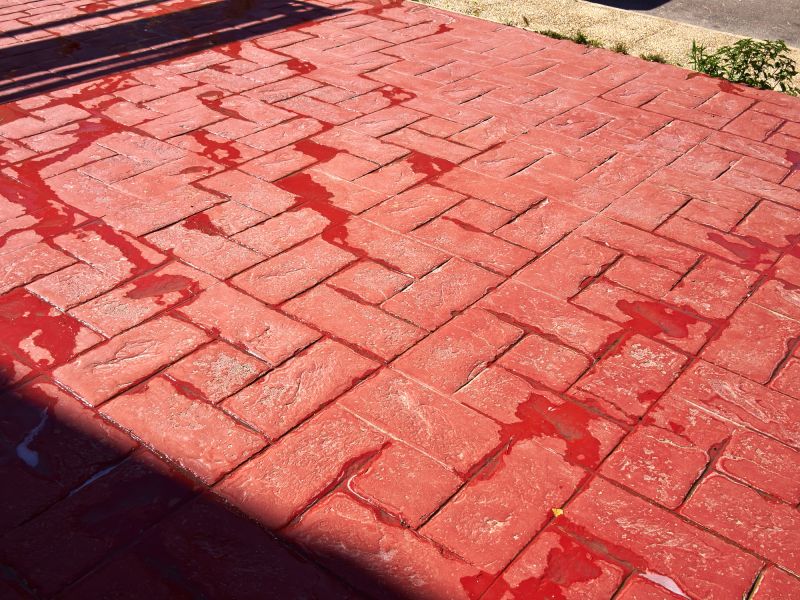
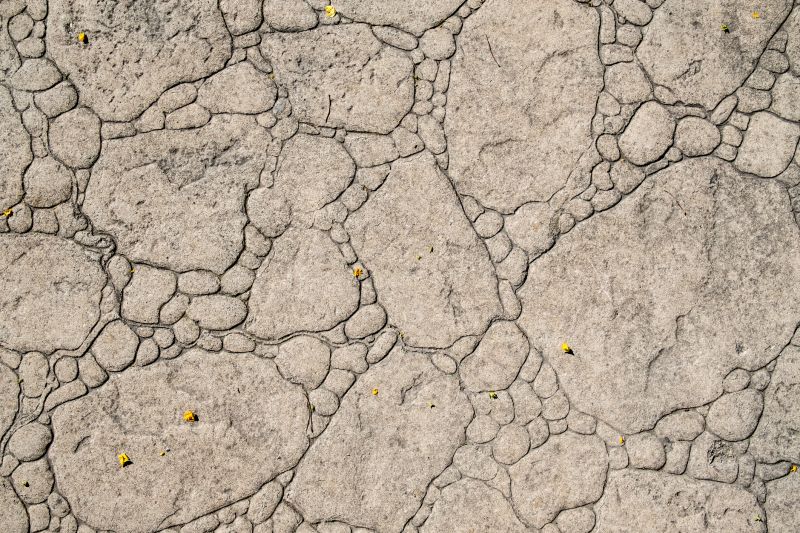
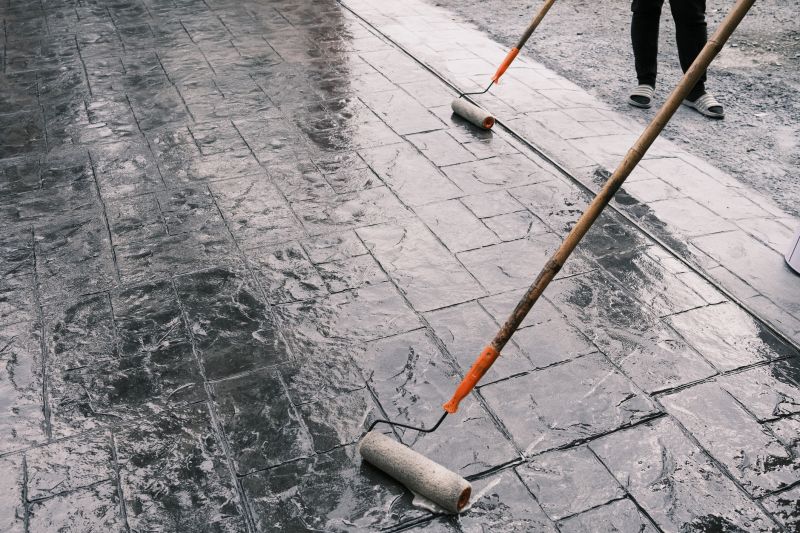
Understanding how weather exposure impacts residential stamped concrete surfaces is essential for homeowners considering decorative concrete for their outdoor spaces. When people search this topic, they often want to learn how various weather conditions-such as rain, snow, extreme heat, or freezing temperatures-affect the appearance, durability, and longevity of stamped concrete. Many are interested in how these factors might cause surface damage, staining, or color fading over time, and how to prevent or repair such issues. This knowledge helps homeowners plan for proper installation, ongoing maintenance, and potential repairs to keep their stamped concrete looking its best for years to come.
Weather exposure plays a significant role in the lifespan of stamped concrete surfaces, especially in regions with fluctuating temperatures or high humidity. For example, prolonged exposure to moisture can lead to surface erosion or the development of cracks, while freeze-thaw cycles can cause the concrete to expand and contract, resulting in pitting or spalling. Sun exposure can also fade colors or cause surface deterioration, especially if the concrete was not sealed properly. Homeowners often seek advice on how weather impacts these surfaces to understand whether their outdoor concrete needs additional protective coatings or repairs to withstand local climate conditions.
The types of properties that typically come up when discussing weather impacts on stamped concrete are residential homes with outdoor patios, walkways, driveways, and pool decks. These surfaces are directly exposed to the elements and are often made to enhance curb appeal and durability. Homeowners with these properties may notice issues like surface cracking, color fading, or staining caused by weather conditions. They may also have plans to install new stamped concrete or to restore existing surfaces that have been damaged by weather. Local contractors specializing in stamped concrete repair can evaluate weather-related damage and recommend solutions to restore or reinforce the surface against future weather-related wear.
For homeowners facing weather-related challenges with their stamped concrete, understanding the role of local service providers is crucial. These professionals can assess how weather exposure has affected a specific surface and determine the best course of action-whether that involves sealing, resurfacing, or repairing cracks and damage. Proper maintenance and timely repairs from experienced contractors can help extend the life of stamped concrete and maintain its aesthetic appeal despite ongoing weather exposure. Connecting with local pros ensures that the work is suited to the regional climate and that the property’s outdoor surfaces remain durable and attractive over time.
Patio and Walkway Installations - These projects require planning and surface preparation similar to stamped concrete repair, with attention to weather conditions that can affect curing and durability.
Driveway Resurfacing - Resurfacing concrete driveways involves skills in surface assessment and weather considerations that directly relate to how weather exposure impacts stamped concrete surfaces.
Outdoor Flooring Projects - Installing outdoor flooring with stamped concrete techniques demands understanding of weather effects on materials and finishes, which local contractors can address effectively.
Concrete Surface Restoration - Restoring aged or damaged concrete surfaces involves repairing weather-related wear, making it comparable to addressing weather exposure impacts on stamped concrete.
Pool Deck Renovation - Renovating pool decks with stamped concrete requires expertise in weather-resistant finishes and surface treatments to ensure longevity and appearance.
Landscape Concrete Features - Creating decorative concrete features outdoors involves planning for weather exposure, which local service providers can help manage to maintain surface integrity.
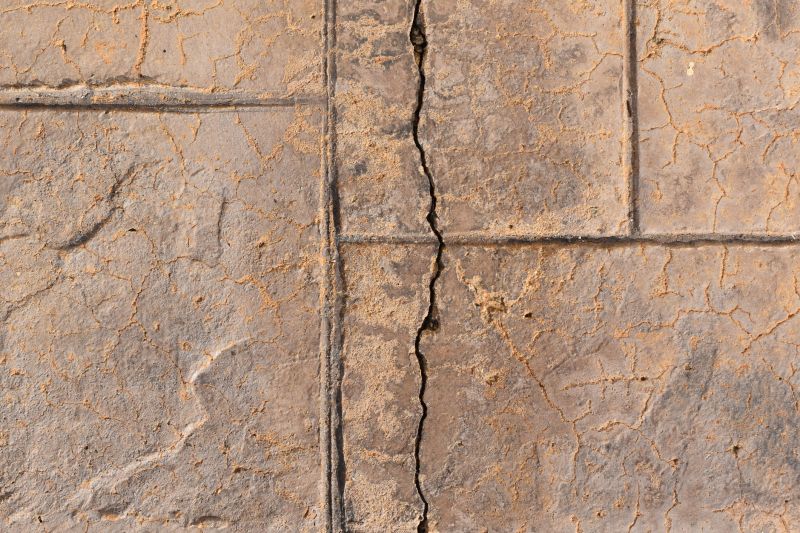
When comparing service providers for residential stamped concrete repair, it’s essential to consider their experience with similar projects. Contractors who have handled stamped concrete surfaces exposed to weather conditions like rain, snow, or intense sunlight will be better equipped to address issues caused by weather exposure. An experienced local contractor can provide insights into how weather impacts the longevity and appearance of stamped concrete, ensuring that repairs are durable and suited to the specific climate challenges of the area. Checking their portfolio or asking about past projects involving weather-related concerns can help gauge their familiarity and effectiveness in managing these unique issues.
Clear and detailed written expectations are vital when evaluating potential service providers. A reputable contractor should be able to explain the scope of work, including how they plan to address weather-related damage or deterioration. This includes discussing the materials they will use, the methods for repairing cracks or surface wear, and how they will ensure the surface withstands future weather exposure. Having these details in writing helps prevent misunderstandings and ensures that the homeowner and the contractor share a common understanding of the repair process and its goals.
Reputable references and strong communication skills are also key factors in choosing a local contractor. Service providers with positive references from past clients can offer confidence in their ability to handle weather-related issues effectively. Good communication throughout the project ensures that any concerns about weather exposure or surface conditions are addressed promptly, and that the homeowner remains informed about progress and next steps. When comparing local pros, prioritizing those who demonstrate transparency, responsiveness, and a history of satisfied clients can lead to a smoother repair experience and a resilient stamped concrete surface that withstands the elements.
Property owners often search for how weather exposure impacts residential stamped concrete surfaces when they are planning practical projects around their homes and businesses. Local pros provide Residential Stamped Concrete Repair services for everyday jobs and straightforward project options.
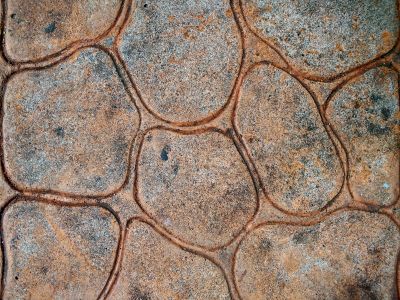
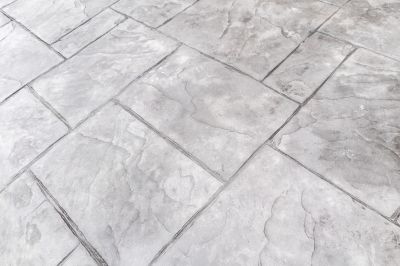
Weather exposure can significantly influence the durability and appearance of residential stamped concrete surfaces. In areas with frequent temperature fluctuations, moisture, or direct sunlight, the surface may experience cracking, fading, or surface erosion over time. Property owners noticing signs of wear or damage often seek advice on how weather conditions might be affecting their stamped concrete and whether repairs are needed to restore its original look and functionality.
Local contractors who specialize in stamped concrete repair are well-equipped to address weather-related issues. They can assess the extent of damage caused by environmental factors and recommend appropriate solutions to repair cracks, restore color, or reinforce the surface against future weather exposure. Homeowners considering repairs can benefit from consulting with these service providers to ensure their stamped concrete remains attractive and resilient despite changing weather conditions.
How does weather exposure affect the durability of residential stamped concrete surfaces? Weather exposure can lead to cracking, surface erosion, and color fading in stamped concrete, making repairs necessary to restore its appearance and structural integrity. Local contractors experienced in stamped concrete repair can address these issues effectively.
What types of weather conditions are most damaging to stamped concrete? Extreme temperatures, heavy rainfall, freeze-thaw cycles, and prolonged sun exposure are particularly damaging, causing surface deterioration and potential structural problems that local service providers can repair.
Can weather exposure cause color fading or staining on stamped concrete? Yes, weather elements like sun and moisture can cause color fading or staining, which may require specialized cleaning and resurfacing services offered by local pros to restore the original look.
How do local contractors repair stamped concrete damaged by weather exposure? They typically perform surface cleaning, crack filling, resurfacing, and sealing to repair damage caused by weather, helping to extend the lifespan of stamped concrete surfaces.
Is it possible to prevent weather-related damage to stamped concrete surfaces? While some measures like sealing and proper drainage can reduce weather-related damage, ongoing maintenance by local professionals is often needed to keep stamped concrete surfaces in good condition over time.
Assessing weather-related damage - property owners can evaluate how weather exposure has caused cracking or fading in their stamped concrete surfaces and seek repairs from local contractors.
Choosing weather-resistant finishes - selecting sealers and coatings that withstand temperature fluctuations and moisture can help preserve the appearance of stamped concrete over time.
Planning for seasonal changes - property owners might coordinate with local pros to schedule protective treatments before harsh weather seasons to reduce surface deterioration.
Implementing proper drainage solutions - ensuring adequate drainage around stamped concrete surfaces can minimize water pooling and prevent weather-related damage.
If you are thinking about how weather exposure impacts residential stamped concrete surfaces for a property, this guide is meant to help you understand this topic, the typical project types, and how different options might fit your plans.
When you are ready, you can use the quote form on this page to share a few details about your project. From there, local pros can review the basics and follow up with options that match what you have in mind.